Career History
–
Education
–
Phone
–
Email
s.chen@gmail.com
Home Address
–
Wealth
–
Residential
–
Commercial
–
Relationships
–

An intelligence layer built on 85M professional profiles, 200M consumer records, and verified real estate data, all linked and accessible through a single API.
Salesforce, HubSpot, Pipedrive and more
Give your LLM real context
Build anything using the API
Meerkat OS is built for professionals who know there is real value in the data behind people and relationships. Three types of professionals come to us, and each leaves with insights they cannot get anywhere else.
You have a list of names. Meerkat OS matches each one against 85 million professional profiles and 200 million consumer records linked to real estate data and verified contact information.
Meerkat OS serves teams where the strength of relationships drives business outcomes.
Find high net worth prospects using wealth segments grounded in real estate holdings. Reach them through warm introductions from your existing network, not cold outreach.
Identify alumni, affinity group members, and high-capacity donors. Map the warm path through your network to every prospect before you make the ask.
Surface the highest-fit prospects from 85 million professional profiles. Know who on your team is one or two connections away from any target account before the first conversation.
Connect via API and give your product the ability to understand every user: their career, network, household context, and the right moment to engage.
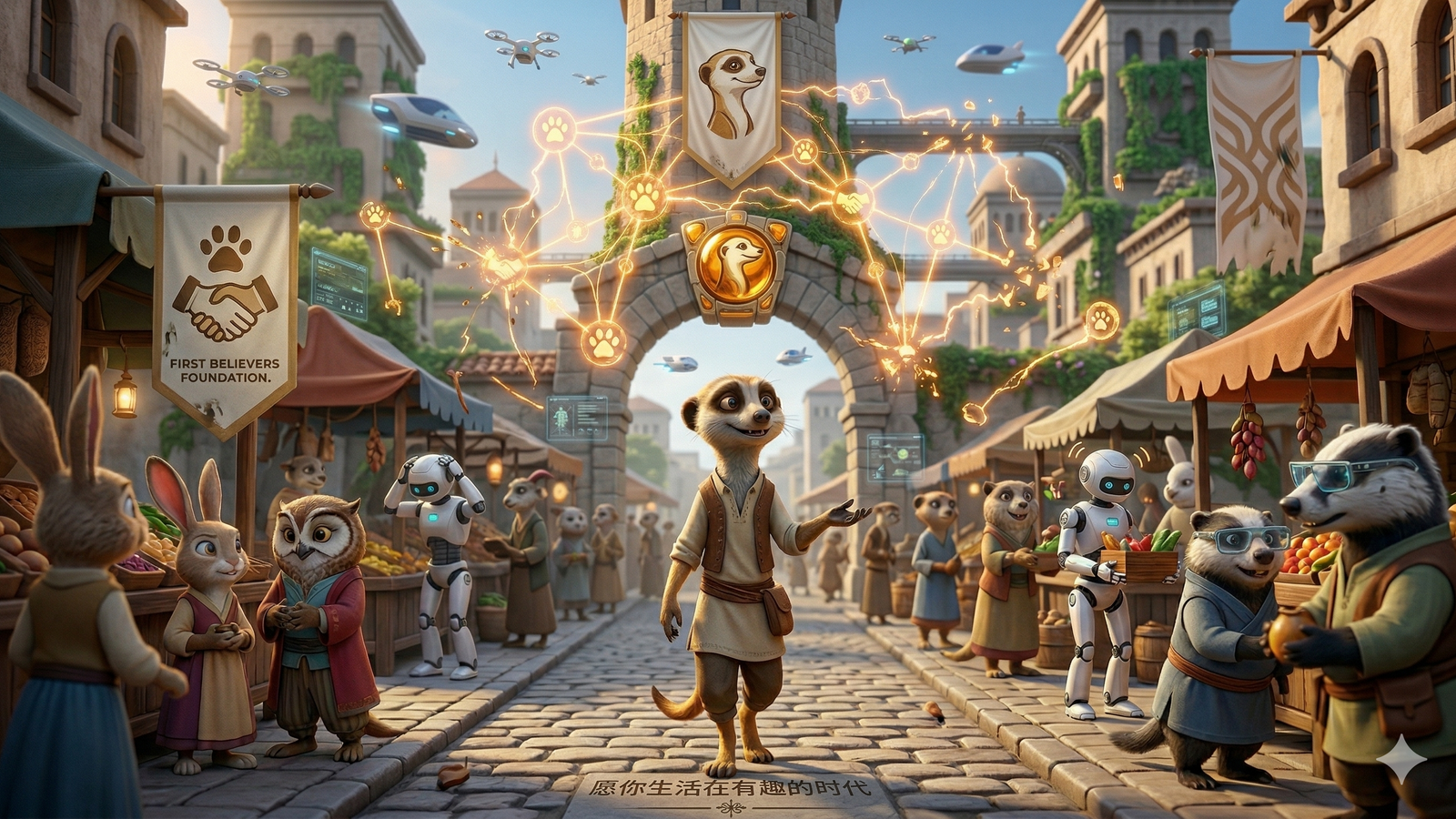
AI made it easy to build apps that can talk. But talking is not understanding. A new standard, MCP (Model Context Protocol), now allows any app to connect to an intelligence layer.
We built one that understands people.
And the window to define it is open now. Meerkat OS is building it first.
Software learned to read every record. But records are not understanding.
Apps learned to talk. But talking is not knowing who you are talking to.
Now every app and every AI can understand the human on the other side.
Meerkat OS connects people, relationships, and real estate into a single intelligence layer.
Start with our apps or build your own.
Joins every chat and online meeting and instantly maps every LinkedIn connection in the room. Know the warm path to any opportunity before the conversation ends. Shared team memory, meeting notes, decisions, and next steps included.
Experience It →85 million professionals. 200 million consumer profiles. Wealth intelligence linked to real estate holdings. Verified contact information. The warmest path through your network to anyone.
Experience It →Verified physical mailing lists built on wealth, property, household intelligence, and relationship signals. Every address is USPS-verified and print-ready. Deliver to the right household, at the right moment.
Experience It →25+ native connectors covering CRM, marketing, email, and support. Connect once with no code required, and every tool you rely on becomes intelligence-powered.
"I have spent my career believing that relationships are the most powerful force in business and in life. The intelligence to truly understand people has always been there, scattered and inaccessible. Meerkat OS brings it together for the first time, so that any builder, any idea, any dream has the human intelligence it deserves."
To become the operating system for human and organizational intelligence, where every conversation, relationship, and dataset works together to drive better decisions in real time.
To unify conversations, relationships, and data into a single intelligent platform that helps individuals and teams think, decide, and act with clarity and speed.
Founded at the intersection of data intelligence, relationships, and go-to-market strategy. Two experts who built this because they saw what was missing.
Founder & CEO
Relationships & Data IntelligenceRalph loves building things: businesses, ideas, and especially relationships. After writing Relationships Matter, he saw what was missing: the intelligence to truly understand the people behind every connection. So he built Meerkat OS to put that intelligence at every builder's fingertips and power a new generation of ideas. He is most at home in nature, proudly obsessed with actual meerkats, and believes the best things in life happen when we genuinely look out for one another.
Co-Founder & CGO
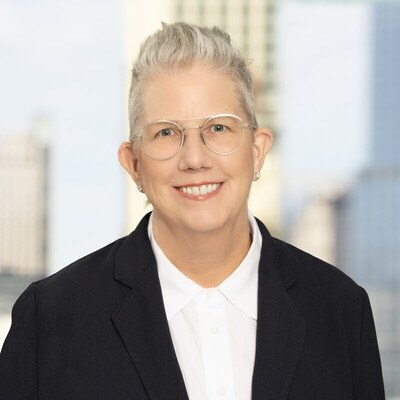
Go-to-Market StrategyMary is a former Forrester analyst, revenue leader, and C-suite executive who has spent her career transforming how companies sell, scale, and grow. At Meerkat, she is channeling that energy into building the future of intelligent collaboration. A classically trained oboist turned AI evangelist, Mary now splits her time between educating the market and learning jazz riffs on the alto sax. She is happiest outdoors – on a trail, the pickleball court, or under the stars at a glampsite.
CXO
+ moreCTO
+ moreCMO
+ moreAdvisor
+ moreThe missing intelligence layer for truly understanding people is now available to builders, enrichers, data buyers, and every product or idea. Connect Meerkat OS and see what becomes possible.